Skip to content
Whatsapp Phone-alt

We are live! Discover our updated Hebrew courses

  • Become a Partner
  • Login
Facebook X-twitter Youtube

Summer Sale · 20% off with code SUMMER20 →

  • Become a Partner
  • Login
  • Courses
    • All Courses
    • Private Online Mentorship
    • Live Online Groups
    • Hybrid Programs
  • Schools & Communities
  • Digital Products
    • E-Tone®
    • eBooks
  • Blog
  • Our Method
  • Courses
    • All Courses
    • Private Online Mentorship
    • Live Online Groups
    • Hybrid Programs
  • Schools & Communities
  • Digital Products
    • E-Tone®
    • eBooks
  • Blog
  • Our Method

Ulpan·Or

0.00 $ 0 Cart
0.00 $ 0 Cart
  • Courses
    • All Courses
    • Private Online Mentorship
    • Live Online Groups
    • Hybrid Programs
  • Schools & Communities
  • Digital Products
    • E-Tone®
    • eBooks
  • Blog
  • Our Method
  • Courses
    • All Courses
    • Private Online Mentorship
    • Live Online Groups
    • Hybrid Programs
  • Schools & Communities
  • Digital Products
    • E-Tone®
    • eBooks
  • Blog
  • Our Method

Ulpan·Or

  • Articles

Challenges Of Bidirectional Languages

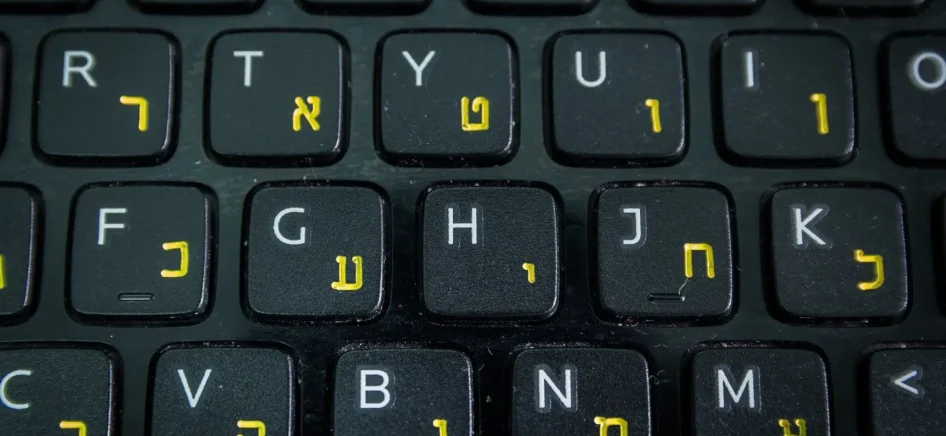
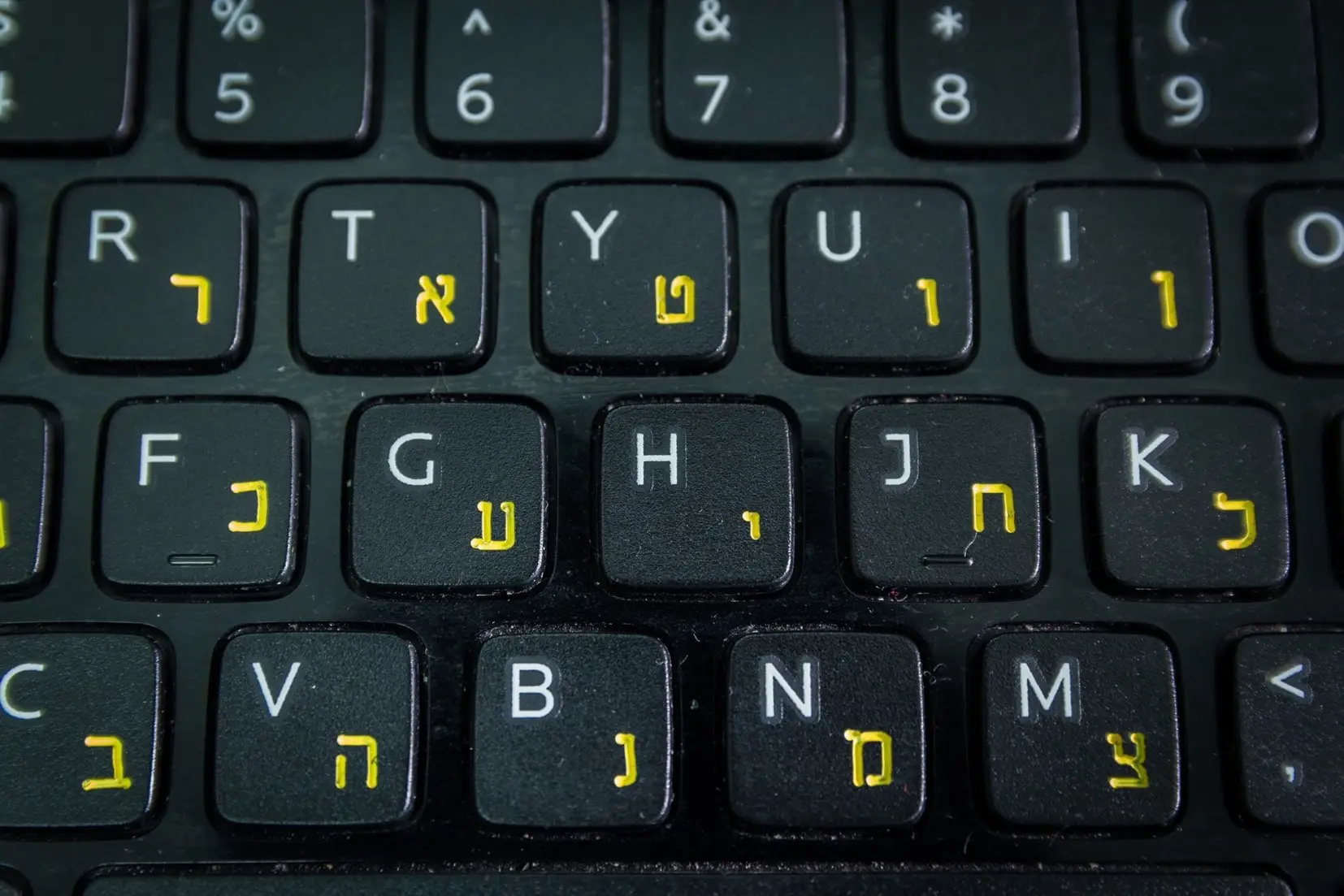
Keyboard with English and Hebrew alphabet
  • Yoel Ganor
  • April 28, 2021
Keyboard with English and Hebrew alphabet

For a majority of languages, the writing system goes from the left to the right (LTR). However, some languages do not stick to the traditional writing style and are written starting from the right to the left (RTL), with the writing occasionally changing direction mid-sentence, making them bidirectional languages.

When companies and organizations have to translate and adapt their user interface, switching to bidirectional languages can be challenging. Similarly, native English speakers often find reading and writing in this new writing style jarring in the beginning. Here are some common struggles people have when introduced to bidirectional languages.

Branding Formats

While bidirectional languages like Hebrew are written from right to left, their non-Hebrew brand names rarely follow the same script. In fact, they are written left to right, just like they would be in the non-translated version.

Similarly, you will hardly find Hebrew texts that switch to the right to left format when quoting languages and numbers. For instance, if someone writes the number 500, it would be written as 500 even within the right to left format. You won’t change it to 005, which can cause confusion for individuals. In the same tune, you’ll also find that exclamation points and question marks don’t ascribe by the right to left format. The characters are put in order of the directionality within the sentence. You won’t ask someone “?How are you” in Hebrew; that would be incorrect. Instead, place it organically at the end of the sentence!

Technical Nightmare

Service with a low rating

A very common problem many programmers seem to dismiss is how bidirectional languages can cause technical problems. For example, if you’re a business that relies on ratings, having a strictly LTR reviewing platform would be difficult for anyone who doesn’t follow the same writing style. In fact, it could get messy and cause you to lose ratings!

If a bidirectional user decides to rate you a 5 star in an RTL format, you’re going only to get a single star rating. That’s why it’s crucial to either adapt the platform or have the stars light up to accommodate more than one writing style!

Feel confused and want a better grasp at the Hebrew bidirectional writing style? Get in touch with us at Ulpan-Or. Not only do we help clear your doubts with the language, but we also provide you with the resources needed to learn how to effortlessly read and write, whether it’s for professional or personal purposes! Get in touch with us today to register.

More from the blog

Pesach Night of Seder: The Ladder of Freedom

Read more →
  • March 26, 2026

The Extraordinary Hebrew Journey of Barbara Crook

In the landscape of people who learned Hebrew Language Online, one name rises above all others: Barbara Crook. Her story is not merely about mastering a new language. It is
Read more →
  • March 25, 2026

A Journey for Brain, Memory and Soul

In today’s world of constant noise, uncertainty, and rapid change, it’s easy to feel mentally overwhelmed and spiritually unanchored. Many people search for ways to keep their brain strong, their
Read more →
  • March 25, 2026

When Good Intentions Are Not Enough

Read more →
  • March 19, 2026

Building a Sanctuary in a Time of Sirens

Read more →
  • March 13, 2026

Broken Tablets, Unbroken Covenant

Read more →
  • March 6, 2026

Join the Ulpan-Or Family

Get the latest Hebrew learning tips, stories,
and exclusive offers — straight to your inbox.

Don’t Just Learn Hebrew. Speak It. Master real, everyday Hebrew with our revolutionary RLA method.

  • Courses
    • All Courses
    • Private Online Mentorship
    • Live Online Groups
    • Hybrid Programs
  • Schools & Communities
  • Digital Products
    • E-Tone®
    • eBooks
  • Blog
  • Our Method
  • Courses
    • All Courses
    • Private Online Mentorship
    • Live Online Groups
    • Hybrid Programs
  • Schools & Communities
  • Digital Products
    • E-Tone®
    • eBooks
  • Blog
  • Our Method
  • WhatsApp: (+972) 55-982-8312
  • USA Phone: (+1) 646-217-4866
  • Email: office@ulpanor.org
  • Become a Teacher
Facebook Twitter Youtube

Don’t Just Learn Hebrew. Speak It. Master real, everyday Hebrew with our revolutionary RLA method.

Youtube Facebook Instagram Spotify

Explore

  • Home
  • About Us
  • Shop
  • Blog
  • Contact Us

Learn With Us

  • Private Online Mentorship
  • Live Online Groups
  • Hybrid Programs
  • E-Tone®
  • eBooks

Get in Touch

  • WhatsApp: (+972) 55-982-8312
  • USA Phone: (+1) 646-217-4866
  • Email: office@ulpanor.org
  • Become a Partner

Legal & Privacy

  • Terms and Conditions
  • Privacy Policy
  • Accessibility Statement
  • Cookie Policy

Join the Ulpan-Or Family

Subscribe to get the latest Hebrew learning tips and exclusive offers delivered to your inbox.

Copyright: © 2026 Ulpan-Or. All rights reserved